The Anatomy of Subjugation: Deconstructing the "Tightening-Crown" as a Political Metaphor, Methodological Paradigm, and Radical Activism in Du Yinghong’s Art
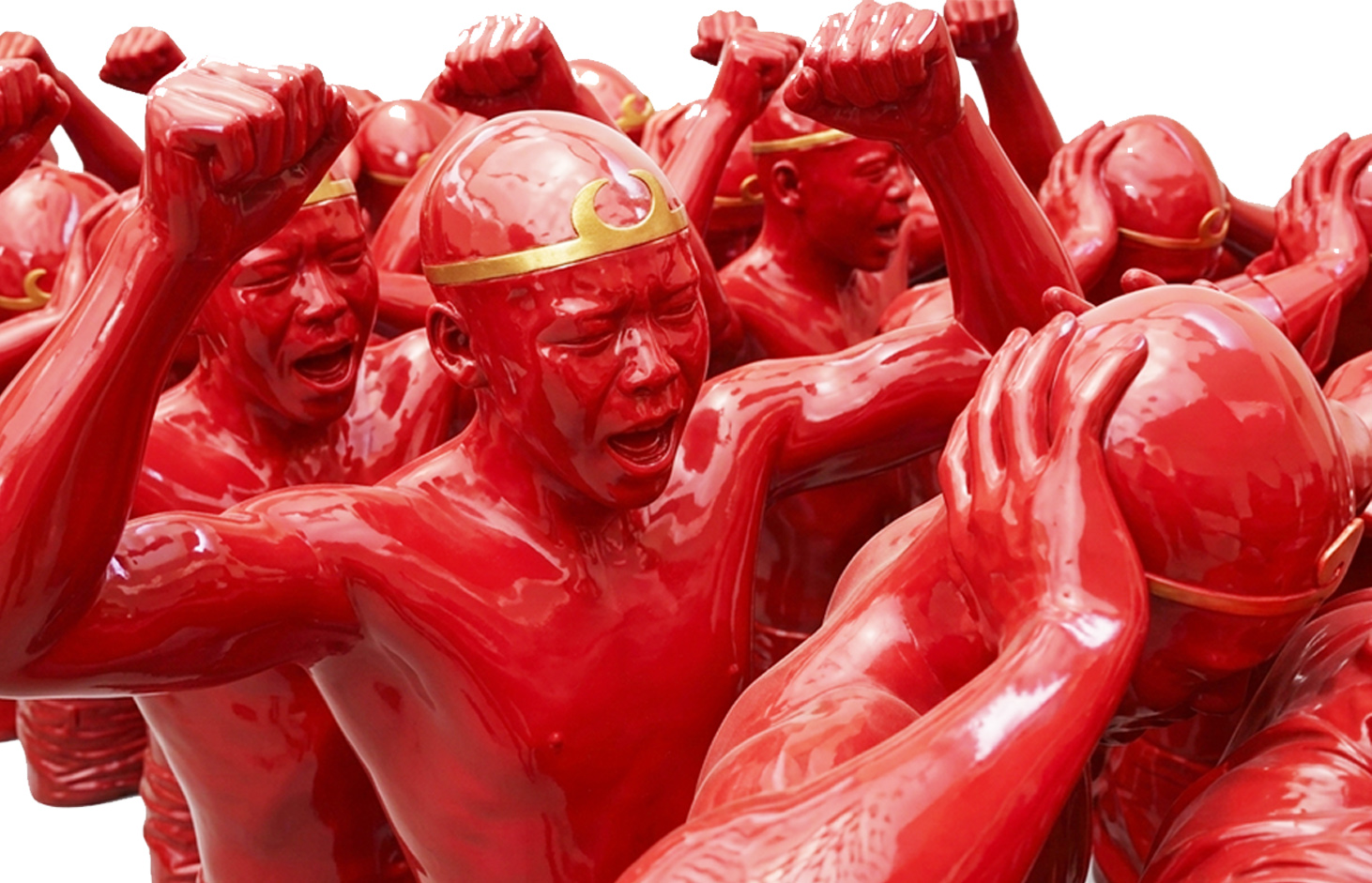
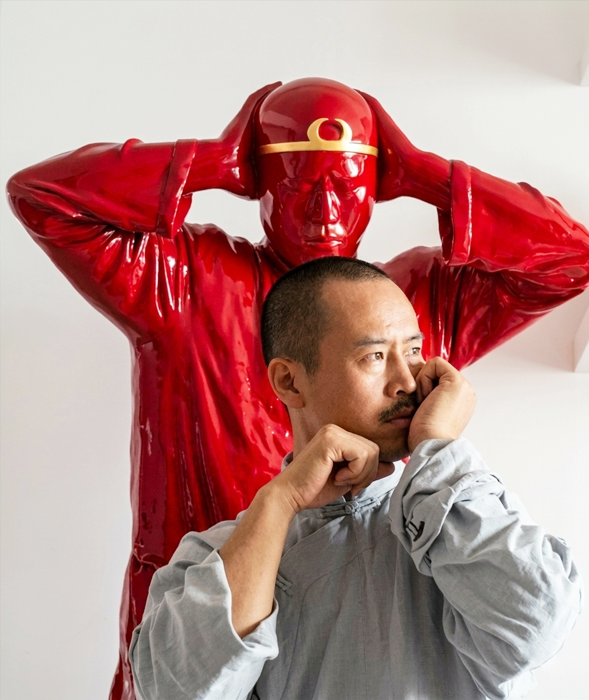
Introduction: The Corporeal Apocalypse Rising from the Rifts of Monolithic Power
In the global genealogy of avant-garde movement and dissident art since the 20th century, piercing the totalitarian colonization of both the physical body and the human spirit has remained a supreme, yet perilous task. When confronted by a modern, high-tech state apparatus that commands an absolute monopoly on structural violence, an individual artist’s expression usually faces one of two tragic destinies: either being co-opted by the corporate art market and sanitized into harmless formalist commodities, or being systematically erased into total state-enforced silence.
However, the decades-long practice of Chinese artist Du Yinghong offers a transcendent, breathtaking paradigm of Art Activism that defies this dual trap. His core creative matrix—utilizing the “Tightening-Crown” (Jinguzhou or Golden Hoop) as an overt visual code and the “Tightening Incantation” as a covert behavioral arena—stands not only as a radical counter-attack against the Chinese Communist Party’s (CCP) suffocating environments of surveillance but also as an expansive, ongoing crusade of public political enlightenment.
Du Yinghong’s artistic framework has long shattered the parochial boundaries of the conventional “Artworld,” which confines art to mere discussions of medium, spatial form, or commercial semiotics. By transforming his own body into a vessel of political suffering and public space into a theater for guerrilla-style conceptual warfare, Du directly channels art into a fierce intervention of geopolitical memories, historical traumas, and collective psychology.
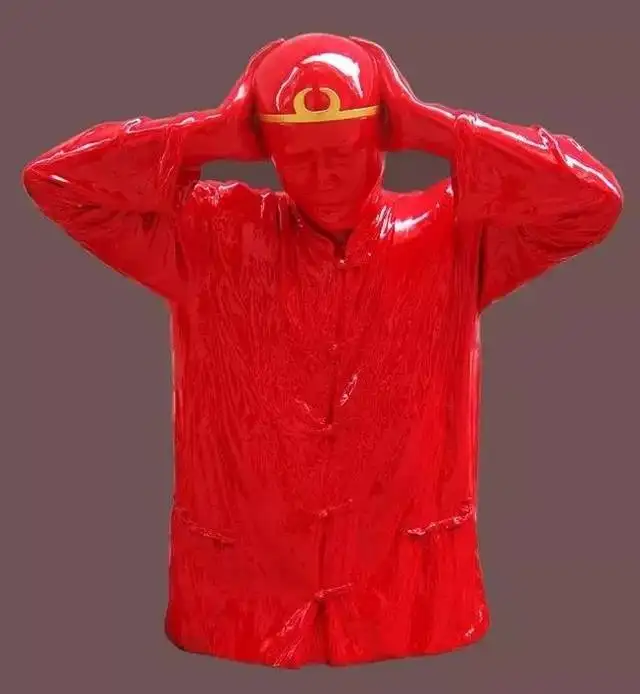 I. Mapping the Horizon: Du Yinghong in the Landscape of Global Dissident Art
To grasp the radical originality and philosophical stature of Du Yinghong, his oeuvre must be juxtaposed against the global titans of political and institutional critique.
1. Du Yinghong vs. Joseph Beuys: The Mutation of “Social Sculpture” Under the Iron Curtain
Joseph Beuys’ revolutionary concept of “Social Sculpture” posited that every human being is an artist and that society itself can be organically reshaped through human creativity. However, Beuys’ practice unfolded primarily under the umbrella of post-war Western liberal democracies. His shamanistic rituals bore a highly metaphysical color and a gentle, reformist nature. In stark contrast, Du Yinghong operates within the belly of the most sophisticated techno-totalitarianism in human history, where civil society has been atomized and crushed by the state apparatus. Du’s art is not a gentle “shamanistic healing,” but an aggressive ripping open of systemic wounds. He strips away the regime’s manufactured facade of a “harmonious society,” exposing the historical subjugation underneath
- Du Yinghong vs. Ai Weiwei: From Global Visual Consumerism to Deep Cultural Corporeal Insurgency
Ai Weiwei’s works (such as Dropping a Han Dynasty Urn or Sunflower Seeds) possess profound political rebellion and successfully secured a dominant voice within the mainstream Western art world. Yet, much of his later works rely on the Western liberal intelligentsia’s gaze toward “oriental totalitarian exoticism,” and due to forced exile, his creations have gradually detached from the immediate, high-voltage political frontline inside China.
Du Yinghong’s resistance, conversely, maintains an uncompromisingly** visceral, localized, and dangerous presence**. Rather than retreating under the protective shield of the international Western art market, Du has chosen to plunge his physical body into the most heavily policed epicenters of the CCP regime (such as the China National Convention Center and public streets across the country). He weaponizes the most deeply ingrained domestic cultural totem—the Tightening-Crown—to puncture the psychological armor of the party-state, creating an immediate, piercing enlightenment for the local public.
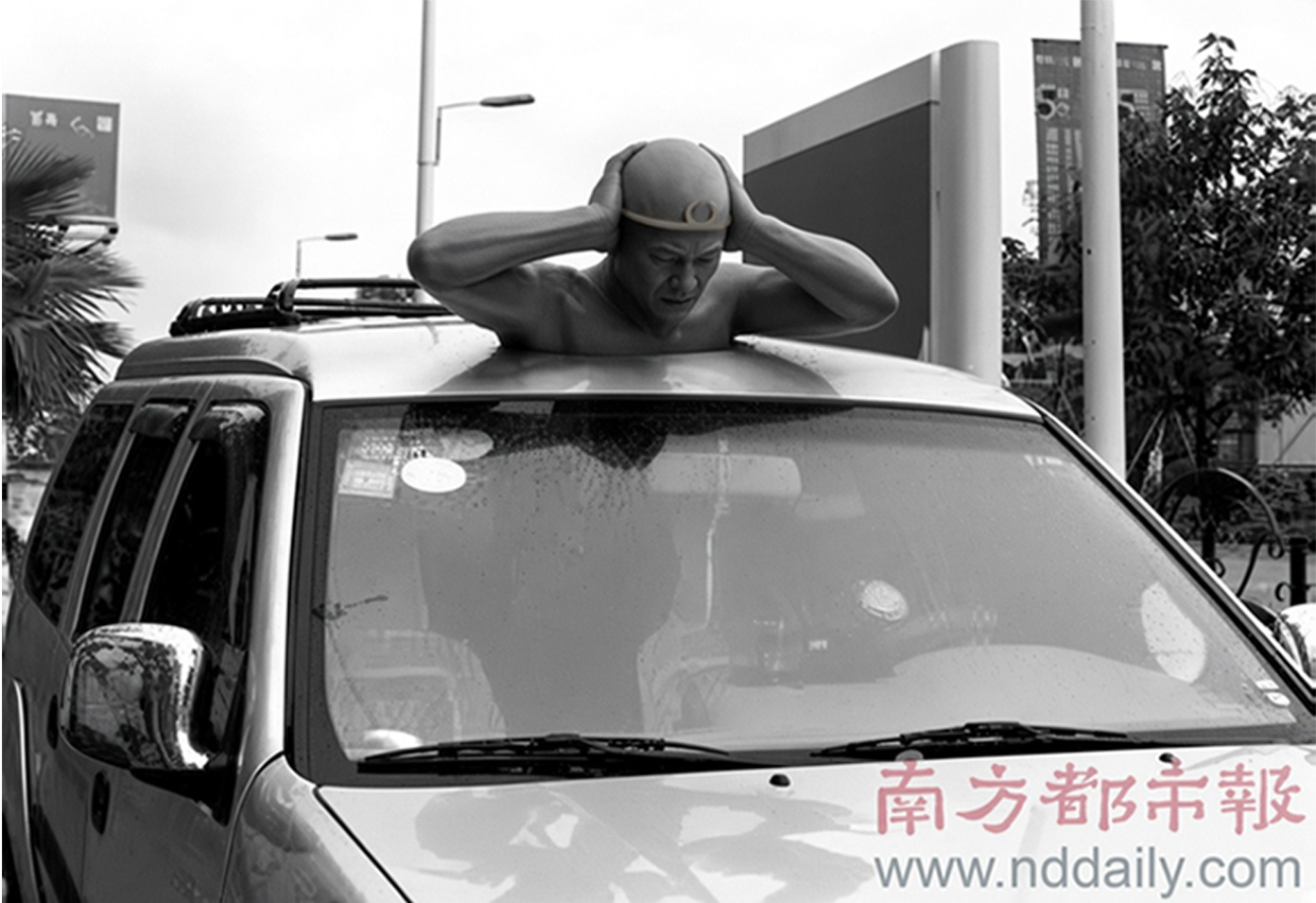 3. Du Yinghong vs. Tehching Hsieh: From Existential Discipline to Concrete Political Deathmatch
The Taiwanese-American artist Tehching Hsieh established an absolute zenith regarding time, the body, and self-subjugation in his One Year Performances. Yet, Hsieh’s critique targets a broader, existentialist alienation of modern life, executed within the relatively safe, insulated, or designated gallery spaces of Western societies. Du Yinghong’s performances and sculptures, however, are aimed with laser-like precision at a concrete political target—the CCP autocracy. His bodily suffering is not an abstract existential exercise, but a political channelling of the traumatized bodies of 1.4 billion Chinese citizens. His stage is not a clean, quiet gallery, but public state landmarks teeming with plainclothes police, facial-recognition cameras, and propaganda loudspeakers.
II. The Theoretical Methodology of Du Yinghong’s Artistic Matrix The reason Du Yinghong’s “Tightening-Crown” system transcends the established boundaries of the art world lies in its rigorous, self-replicating politico-aesthetic methodology, which can be defined by three core pillars:
1. Semiotic “Counter-Sorcery”
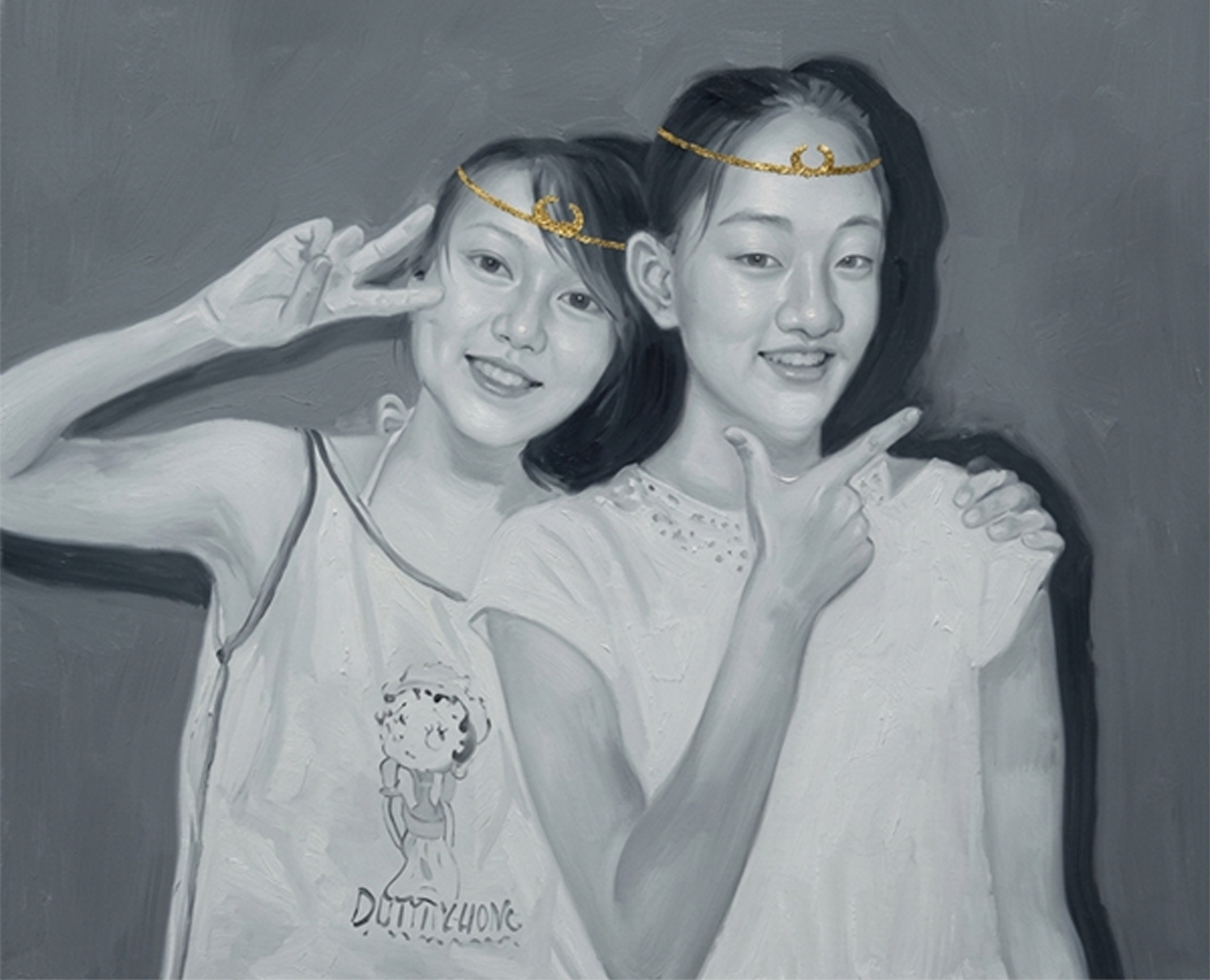
For nearly a century, the core governing technique of the CCP has been the “co-optation and reshaping of discourse”—grafting imported Marxist-Leninist ideology onto traditional Chinese imperial autocracy (*Qin *legalism) and authoritarian cultural habits. Du’s methodology turns this weapon inside out through what can be termed “Counter-Sorcery.“By selecting the Tightening-Crown, a mythical archetype deeply embedded in the cultural subconscious via the Journey to the West epic, Du strips away its trivialized, lighthearted folkloric armor. He exposes its raw essence to the public: this is the ultimate weapon of total ideological taming used by authority to break a rebel. Through this artistic subversion, a dormant, ancient cultural trope is resurrected into an explicit symbol of contemporary ideological slavery.
2. The Body as a “Sensitive Receptor of Totalitarian Trauma”
In Du’s methodology, the body is never a passive object for aesthetic appreciation; it is a** physical conductor that magnifies historical amnesia and systemic violence**. The regime excels at rewriting history and engineering collective amnesia (erasing memories of the Great Famine, the Cultural Revolution, the 1989 Tiananmen Massacre, and the brutal Zero-Covid lockdowns).
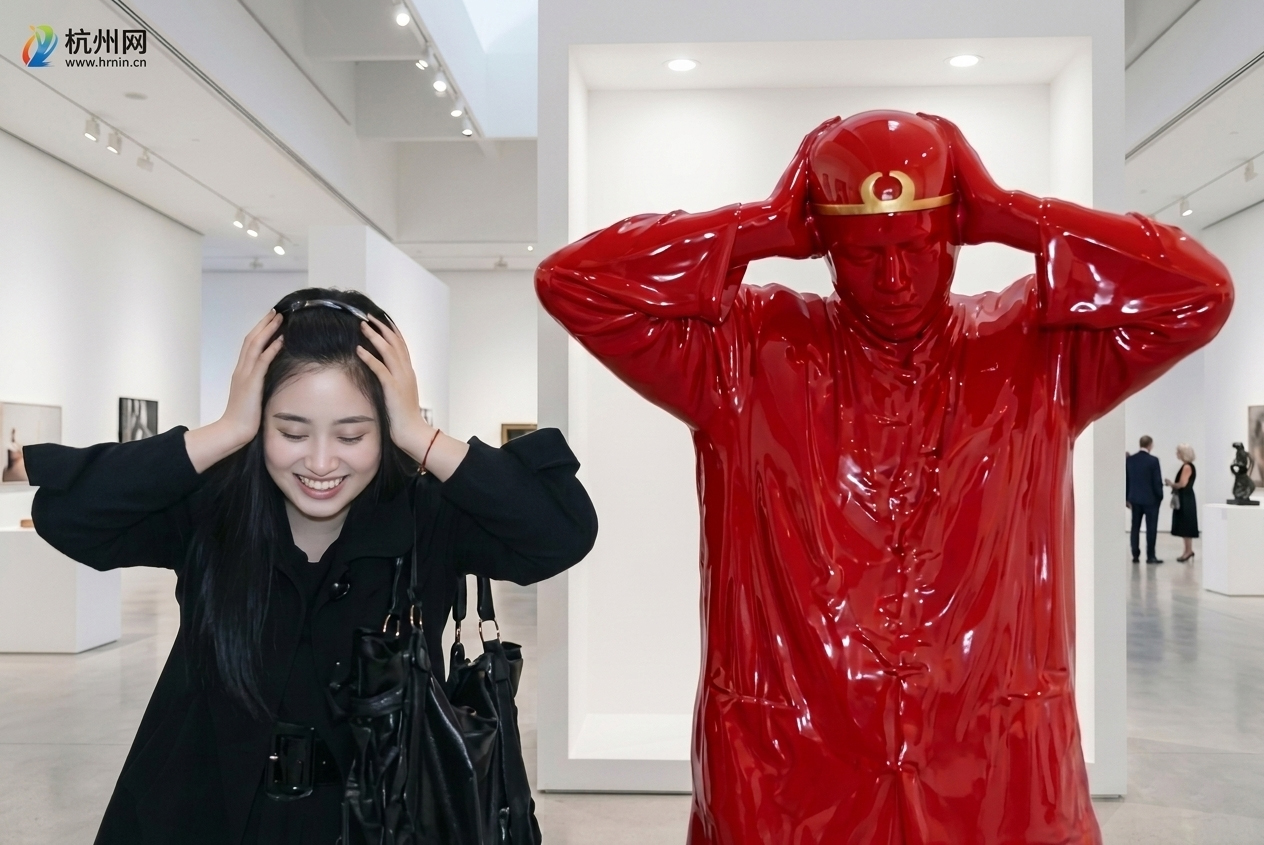
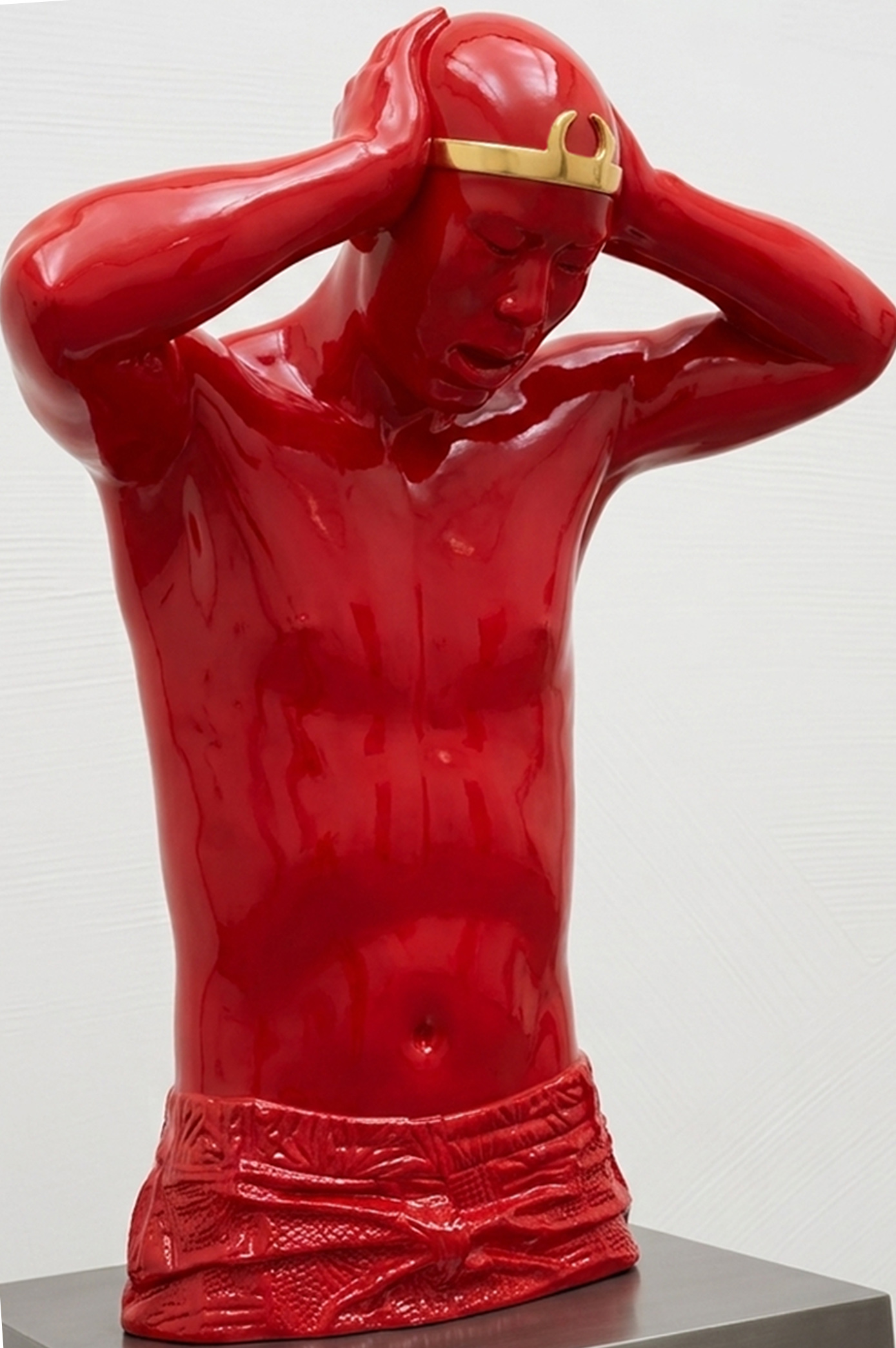
By casting his own face and form as the primary subject of these crimson, suffocating, and agonizing sculptures, Du asserts that when language is entirely outlawed, the physical spasm of the flesh becomes the only honest political manifesto left.
 III. The Materiality, Technical Prowess, and Pop-Irony of the Crimson Sculptures
Du’s choices in medium, surface treatment, and technical execution demonstrate an exceptionally sophisticated grasp of contemporary avant-garde visual rhetoric.
1. The Oxy-Moronic Aesthetics of Piano-Lacquer and Crimson Coating
Du deliberately rejects traditional materials like raw clay or bronze, which carry classical, heavy, historical connotations. Instead, he utilizes a high-tech, highly reflective premium piano-lacquer and epoxy resin mirror finish.
The Visual Contrast: This material bestows upon the sculptures an ultra-modern, “sleek,” “glossy,” and “luxurious” consumer-product finish, mimicking the seductive texture of high-end luxury goods or designer art toys. The Conceptual Critique: This embodies a fierce visual irony. The aggressive, blinding crimson hue simultaneously evokes the blood-soaked history of communist purges, the official color of the state flag, and the deceptive allure of a consumerist “Brave New World.” Crucially, the pristine piano-lacquer finish acts as a literal mirror. As ordinary citizens step closer to behold the agonizing sculpture, their own faces are vividly reflected and tightly framed within the crimson, enslaved skull. The viewer is instantly trapped inside the art; the observer is revealed to be the bearer of the crown.
2. The Dislocation of Genuine Gold
The Golden Hoop tightly bound around the sculpture’s head is finished in an opulent, pure metallic gold. The pairing of red and gold is the ultimate aesthetic trademark of the CCP’s totalitarian pageantry (the national emblem, the party flag, and state banquets). By utilizing this authentic golden texture, Du masterfully illustrates the duality of tyranny: autocratic regimes always wrap spiritual enslavement in the guise of “supreme honor,” “glory,” and “sacred reward.”
 IV. Spatial Aggression, Behavioral Extremes, and Radical Actionism
Du Yinghong does not merely produce static texts; he manufactures confrontational “situations.” Through his extreme performance piece Socialism is Good and his nation-wide automobile sculpture tour, he pushes artistic expression to the peak of political execution.
1. Acoustic Politics: The Corporeal Sacrifice of Socialism is Good
In the governance toolkit of totalitarianism, mass choruses, state-orchestrated chants, and high-frequency repetition are classic fascist aesthetic instruments designed to induce unthinking obedience—the ultimate “Invisible Tightening Incantation.” The red song Socialism is Good, composed in the 1950s, has been violently hammered into the eardrums of generations of Chinese citizens, establishing a state-engineered Pavlovian response.
Du Yinghong staged his performance inside the China National Convention Center—a politically sensitive geocentric space representing the state’s willpower. He did not launch a verbal debate; instead, he chose absolute compliance, pushing the state’s own text to the breaking point of physical biology.
With maximum vocal volume and a devastatingly monotonous, mechanical loop, he screamed the phrase “Socialism is good… Socialism is good…” continuously for hours. As his physical energy drained, what was originally an auspicious, celebratory state anthem dissolved into a harrowing, medieval-style corporeal torture and sacrifice. Through his hyper-extended exhaustion, his bleeding vocal cords, and his near-suffocation, Du exposed an absolute political truth: the core price of this ideological incantation is the total spiritual asphyxiation and broken dignity of 1.4 billion living souls.
2. Detonating Public Space: The Guerrilla Art of the Automobile Sculpture Tour
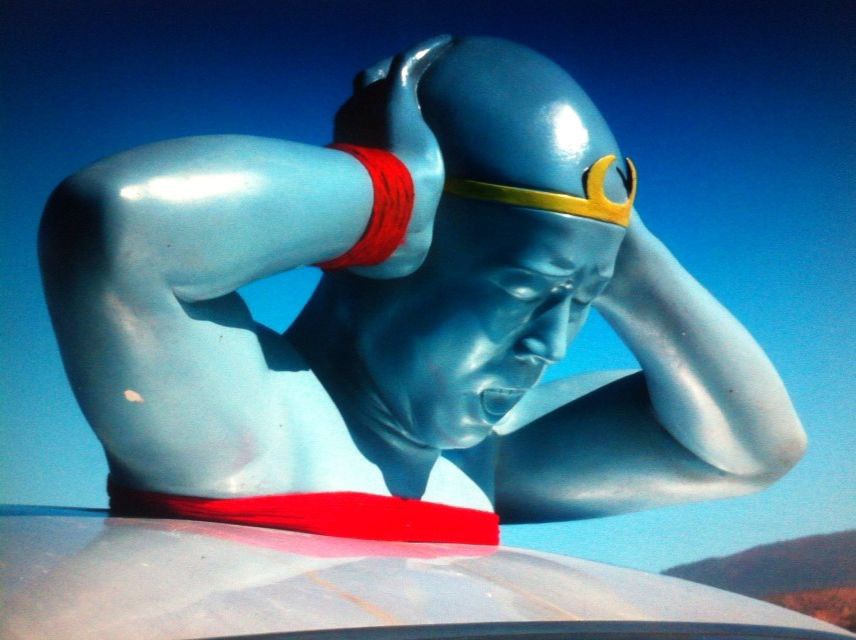
By bolting his large, crimson, crowned bust onto a private sedan and driving it across the plazas, highways, and provincial towns of China, Du executed an epic feat of public political enlightenment:
Disrupting Absolute Territorial Control: A totalitarian state’s power relies on its absolute freezing and sanitization of the public sphere. In urban centers, any dissident expression is typically liquidated by the security apparatus within seconds.
The Mobile Monument: Du hijacked the automobile—the very symbol of middle-class consumer freedom—to carry a monument of political trauma through the state’s heavily monitored checkpoints. He transformed an elite gallery object into** a rolling ideological bullet fired directly into the public’s blind spot.** It did not seek immortality on a museum wall; instead, it sought to deliver an instantaneous, un-censorable psychological jolt to ordinary citizens, cross-country drivers, and traffic police alike, shattering their numbness with a simple truth: “Look at us—we are all wearing this golden hoop; we are all slaves to the incantation.”
 V. Historical Continuity and the Evolution of Infinite Possibilities
Following the tightening of ideological controls throughout the 2010s and leading into the strict digital surveillance grids of the mid-2020s, a vast majority of Chinese contemporary artists chose spiritual self-castration and cynicism. They retreated into abstract ink wash, harmless landscapes, or lucrative international commercial contracts, safely pretending the elephant in the room did not exist.
Du Yinghong’s true historical stature shines precisely in his unwavering continuity—defying arbitrary arrest, forced disappearance, and total domestic censorship to sustain his physical and artistic warfare for decades without an ounce of capitulation.
1. As Long as Tyranny Endures, the “Tightening-Crown” Remains Omnipresent
As theorists from the Frankfurt School to Louis Althusser noted regarding the “Ideological State Apparatus,” the supreme triumph of tyranny lies not in physical execution, but in causing the enslaved to develop a collective Stockholm Syndrome, actively defending the very noose around their necks.
In the contemporary landscape, Du’s creations have ceased to be mere historical documents from 2008; instead, they have evolved into a prophetic,** hyper-realistic oracle**. As societal governance migrates into algorithmic grids, big-data surveillance, and AI-driven thought-control, these technologies manifest as a far more restrictive, digital High-Tech Tightening-Crown. As long as the titanic machinery of ideological brainwashing continues to hum, Du’s sculptures will continue to bleed, and his voice will continue to echo as a living monument of resistance.
 2. Transcending the Artworld
Du Yinghong’s lifelong praxis dismantles the institutional theories of art (which argue that an object is defined as art solely by the consensus of curators, galleries, and collectors). He redefines art as a primeval, Promethean act of stealing fire from the gods to arm humanity. The possibilities unlocked by his historical legacy are boundless: He demonstrates to future generations of dissidents how to exploit the cracks in total state control, using the carcass of traditional cultural symbols to resurrect contemporary revolutionary thought. He proves that an artist’s ultimate calling is never to decorate the salons of the ruling elite, but to stand as an unyielding sentry in the historical night, a martyr for human rights, and the loudest tolling bell announcing the inevitable collapse of tyranny.
Du Yinghong does not engineer safe aesthetics inside a secluded studio. He stands directly upon the fault lines of history, wagering his life, his blood, and his entire future in a lopsided chess match against a monolithic autocratic leviathan. His “Tightening-Crown” visual and behavioral matrix has permanently crystallized into an immovable, indestructible obelisk of defiance within the global history of resistance art, forever casting a fierce, diagnostic glare into the eyes of absolute power.
评论
加载评论中…