On the Collision of Flesh, Capital, and the State Apparatus: A Textual Deconstruction and Epochal Narrative of Du Yinghong’s 2019 Shengang Chuanku Incident
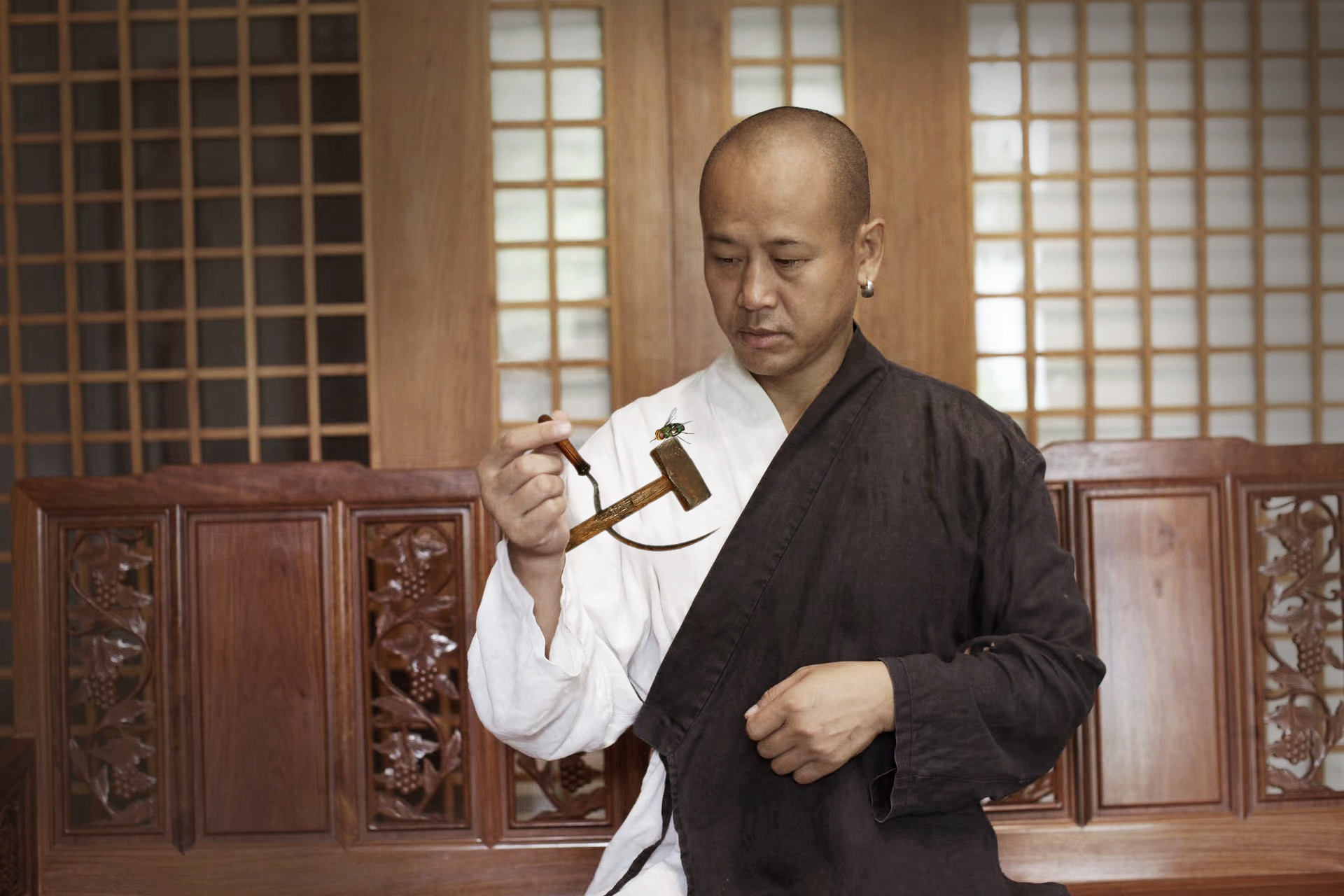
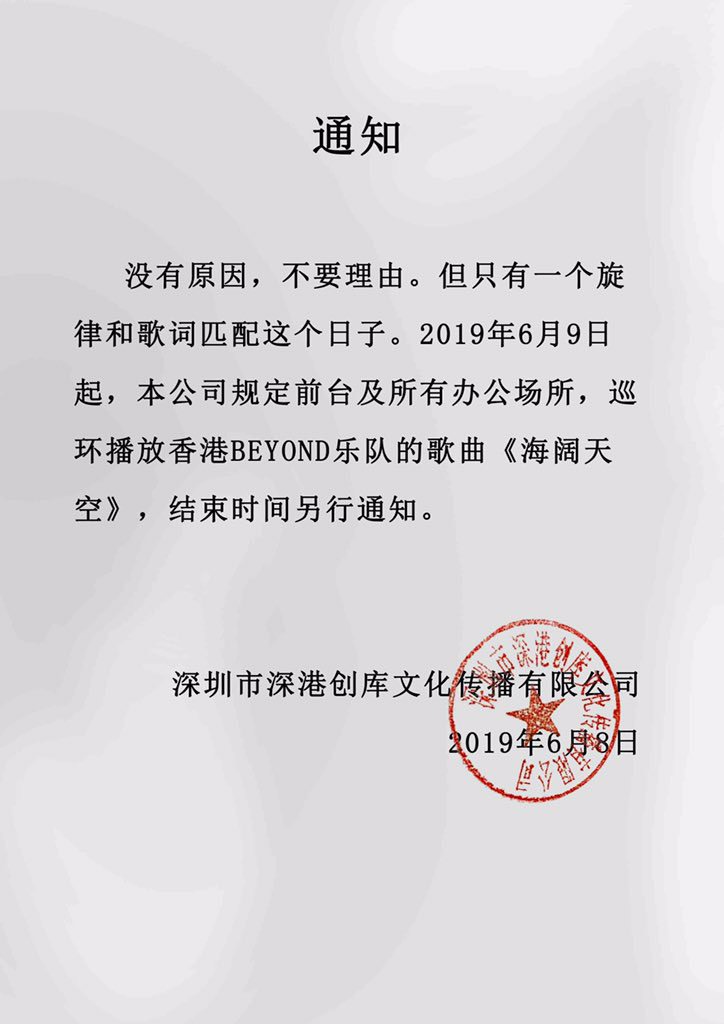
On June 8, 2019, independent artist Du Yinghong issued a highly metaphorical internal corporate notice under the name of “Shenzhen Shengang Chuanku Culture Communication Co., Ltd.,” a commercial entity he had built over 17 years. By doing so, he deliberately positioned himself at the center of a volatile geopolitical storm. This artistic act immediately triggered the highest defense and punitive mechanisms of the state apparatus. What followed was a highly coordinated crackdown: armed police surrounding the company, a 24-hour intense interrogation, a panoptic inter-departmental joint campaign, a massive 30-million-yuan fine, and targeted threats of implicating family members. This event represents a thrilling, paradigm-shifting case of Radical Cross-Border Performance Art that expanded far beyond the traditional confines of museums and galleries. Bridging the fields of political science, sociology, media theory, and avant-garde art critique, this paper provides a deep analysis of an artistic milestone that utilized 17 years of corporate assets as a legal shield, and life and family as bargaining chips in a high-stakes standoff against an authoritarian regime.
 The Prelude: Text as a Fuse, Transforming a Commercial Entity into a Political Theater
In the history of contemporary art, the political potency of a symbol depends entirely on how deeply it cuts into reality. In June 2019, the tectonic plates of geopolitics between Hong Kong and mainland China were colliding violently. Amidst an atmosphere of severe censorship and enforced public silence on the mainland, Du Yinghong’s corporate notice was far from a routine administrative memo. Instead, it was a precise surgical strike against the most sensitive nerves of the authoritarian regime.
The Strategic Confluence of Geopolitical Symbols The name of the company, “Shengang Chuanku” (Shenzhen-Hong Kong Creative Warehouse), naturally carried the heavy historical ties and contemporary emotional resonance between the twin cities. At a time when information regarding Hong Kong was completely scrubbed from the mainland internet, the artist cleverly utilized the legal veneer of a commercial corporation to issue the notice. In doing so, he embedded the embers of solidarity and justice directly into a legally compliant corporate text.
The Violent Transformation of Space On the morning of June 9, dozens of heavily armed uniformed officers surrounded and blockaded the company headquarters. This intensely oppressive real-world spectacle instantly achieved a violent metamorphosis of the artistic space. Within hours, a well-known cultural enterprise with a 17-year history was stripped of its commercial identity and transformed into a cold, menacing, and highly pressured political theater. By deploying a single piece of text as a fuse, the artist triggered an acute panic within the city’s bureaucratic machine.
A Thrilling Standoff: 24-Hour Interrogation and Panoptic State Eradication
The most breathtaking core of this performance lay in its absolute destruction of the traditional safety net of art. It pushed the artist’s physical body and fate directly into the gears of state violence.
The Black-Box Interrogation at Nantou Police Station When Du Yinghong was escorted by dozens of police officers to the Nantou Police Station in the Nanshan District of Shenzhen, he confronted a high-security detention facility specifically repurposed to handle individuals linked to Hong Kong affairs. During 24 hours of continuous interrogation, intimidation, and psychological warfare, the dramatic tension reached its absolute peak. The interrogators deployed the full weight of state deterrence, attempting to frame the act as a component of an organized political conspiracy. Du Yinghong, however, counterbalanced this with artistic subversion: he steadfastly held onto his identity as a creator, dissolving a grand political confrontation into a simple, deeply personal aesthetic devotion to a song (Boundless Oceans, Vast Skies by Beyond). This high-stakes psychological chess match eventually forced the authorities to release him right before formal criminal arrest, following a mysterious phone call from higher-ups.
The Panoptic Campaign and Financial Strangulation The failure of the physical interrogation quickly activated a darker, more comprehensive retaliation mechanism: a panoptic, multi-departmental campaign to financially and socially liquidate the artist. Starting June 10, the local sub-district office, tax bureau, industry and commerce bureau, and fire department formed a unified front to dismantle the company:
The Weaponization of Administrative Regulations: The Industry and Commerce Bureau issued a public notice seizing the company’s property under the pretext that “the labels on 221 cases of Jiangmenhui wine did not comply with regulations,” threatening a staggering 30-million-yuan fine. This malicious inflation of a minor administrative flaw into an economic death sentence vividly demonstrated how administrative codes can be degraded into political weapons.
The Manipulation of Personal Vulnerabilities: Realizing that independent intellectuals are often unfazed by personal imprisonment, the state apparatus resorted to a modern form of collective punishment—threatening to arrest the artist’s wife, harass shareholders, and persecute employees. This calculated targeting of family and social networks eventually forced the permanent closure of the business. The sudden whitening of Du Yinghong’s hair was not a sign of natural aging, but a profound aesthetic scar left by the immense physical and mental pressure applied by the state.
The Residual Spectacle: Official Proclamations and Frantic Deletion
The most absurdly ironic and deconstructive element of the Shengang Chuanku incident was inadvertently co-authored by the state’s own media and censorship organs.
Originally, state-run media outlets published highly publicized reports framing the crackdown as a routine economic law enforcement action against corporate non-compliance. This was a calculated attempt to legitimize the financial destruction of the company and mask what was fundamentally a political persecution.
However, the state apparatus quickly realized that high-profile coverage backfired. Instead of deterring the public, it threatened to turn Du Yinghong’s name and his act of solidarity into a powerful totem of resistance within mainland China. Fearing that this spark of support for Hong Kong’s freedom movement might ignite a wider consciousness, the censorship machine abruptly reversed course, issuing urgent directives to delete all related articles and purge the event from the internet. This erratic sequence of actions—publicizing, panicking, and erasing—revealed a profound insecurity within the regime, capturing a moment where absolute power exposed its deep-seated fear of an independent conscience.
Civilizational Significance: Capital as a Sacrifice and a Decade of Societal Closure
Viewed through the lens of human civilization and global art history, Du Yinghong’s Shengang Chuanku incident transcends personal resistance, marking a monumental shift in the paradigms of contemporary political art.
Commercial Capital as an Artistic Sacrifice The traditional lineage of institutional critique in Western avant-garde art (seen in the works of artists like Hans Haacke or Joseph Beuys) has historically operated within the safe confines of museums, galleries, and art markets, often ending up co-opted by the very capital systems it critiques. Du Yinghong completely inverted this path. He offered his own 17-year-old commercial enterprise, worth tens of millions of yuan, as an artistic sacrifice. He used the total destruction of his corporate capital to absorb the shock of state persecution. In this instance, commercial capital ceased to be a tool of compliance; it became the heavy armor used to withstand the crushing weight of a totalitarian regime.
A Tragic Mirror of a Decade of Societal Regression Comparing this 2019 event to Du Yinghong’s The Emperor of Shenzhen from a decade prior reveals a profound historical tragedy. In 2009, the artist could still use a replica dragon robe, an imperial edict, and sharp, subversive humor to engage in a semi-playful standoff against the municipal government at the Citizen Center Square—a performance that successfully forced the withdrawal of an unjust local decree. It was a time when civic spaces, though restricted, still allowed for strategic engagement.
By 2019, the space for humor had vanished entirely. It was replaced by police blockades, financial ruin, threats against family, and a sudden whitening of hair. This ten-year trajectory maps a brutal transition from mocking authority to facing raw, unchecked power. It documents the closing of a brief window for mainland civil society, leaving behind a stark historical record of a changing era.
Conclusion: An Indelible Monument of Silver Hair
The commercial entity Shengang Chuanku was permanently liquidated after six months of intense institutional pressure, leaving the artist financially devastated. Yet, the ruins of this commercial enterprise provided the ultimate coronation for a historic piece of cross-border performance art.
The fabricated notices of wine label violations, the digital fragments of hurriedly deleted state articles, and the artist’s silver hair—which turned white under the intense strain of interrogation and threats to his family—collectively stand as an indelible aesthetic monument to the 2019 twin-city crisis. This work accepted its severe consequences without regret. It bypassed ordinary creative simulation, forging art into a direct confrontation with systemic injustice, and securing a permanent place in the enduring history of human struggle for liberty and dignity.
评论
加载评论中…