A Section of History and the Deconstruction of Symbols: A Critical Review of Du Yinghong’s "Idols" Oil Painting Series
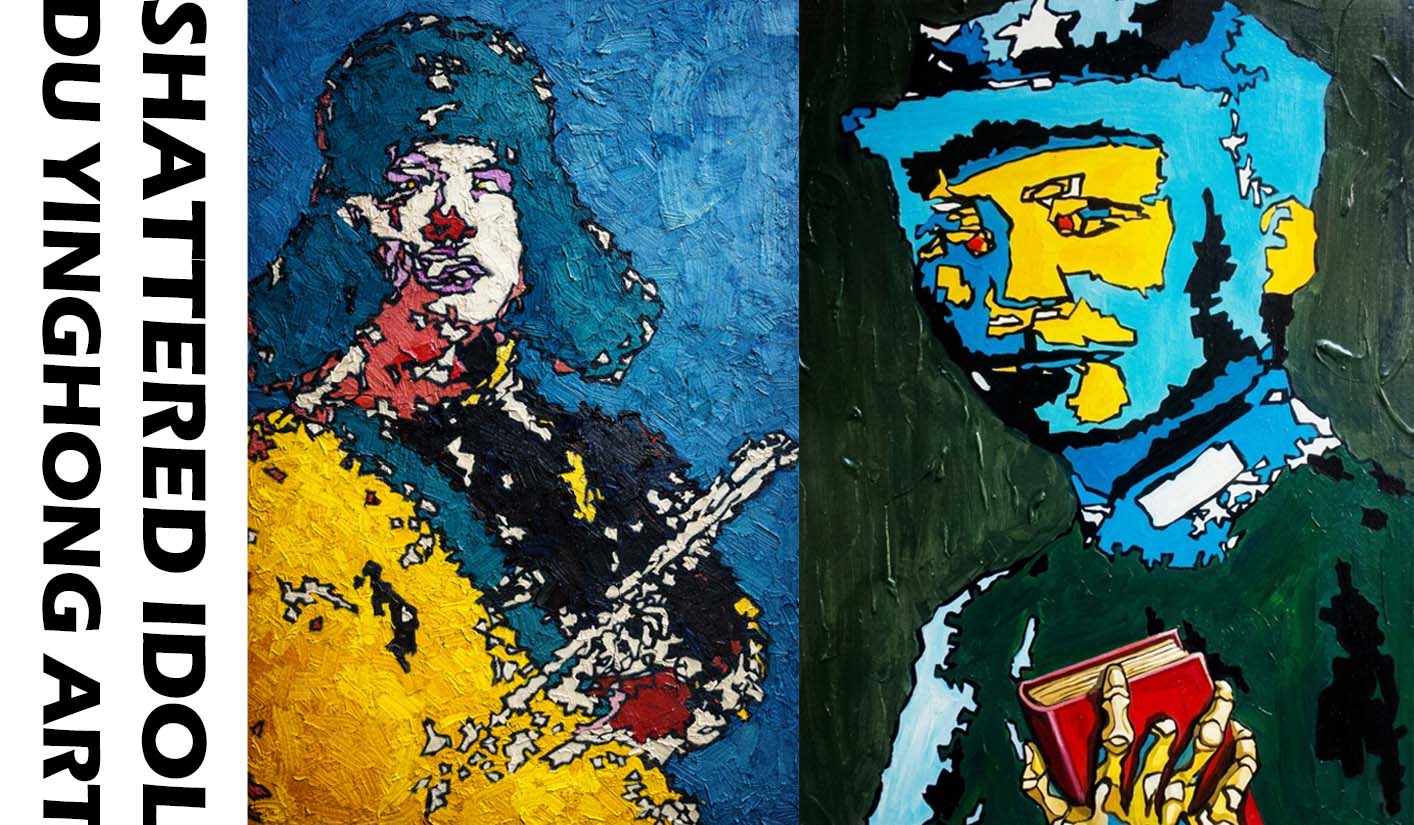
In the context of contemporary art, Political Pop and Neo-Figurative painting are frequently wielded as sharp blades to deconstruct ideology. Looking back over twenty years ago, Chinese contemporary art was positioned at a delicate juncture—seemingly prosperous in the market, yet subtly tightening in its socio-political discourse. The “Idols” oil painting series, created by artist Du Yinghong, stands out with its intense visual impact and profound political insight, aiming directly at the core of communist ideological construction. These works not only demonstrated extraordinary creativity at the time but also left a cold, sober, and lingering echo in the depths of history.
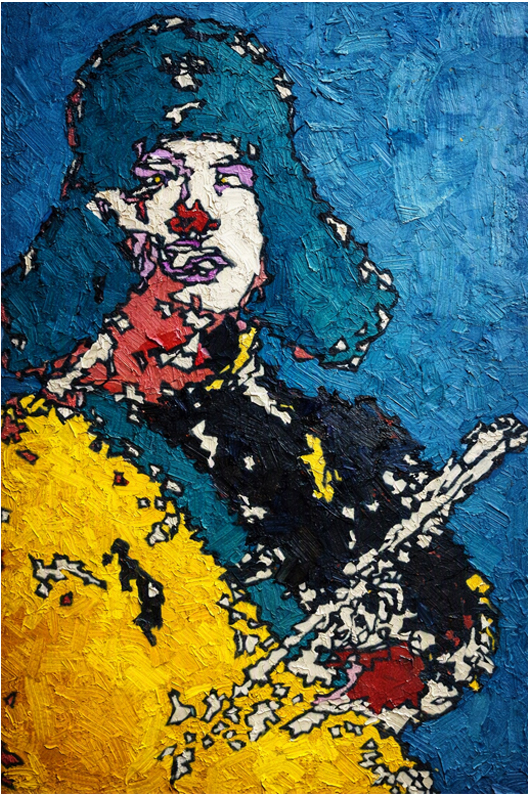 The most impactful visual language in Du Yinghong’s series lies in his “fractured” treatment of historical portraits that have been highly mythologized and symbolized. Be it Lei Feng, Mao Zedong, or Joseph Stalin—idols and classic representatives who were sculpted as indestructible and flawless figures in traditional grand narratives—they are stripped of their warm, idealized veils under Du’s brush.
Employing coarse, expressionistic brushstrokes and fragmented blocks of color, the artist tears complete faces apart into mottled, shattered geometric forms. This “fractured face” carries a dual metaphor:
Deconstructing Pseudo-Subjectivity: It bluntly declares that the “heroes” and “mentors” meticulously packaged by mass media and totalitarian aesthetics are, in essence, puppets pieced together by false political propaganda, completely lacking a foundation of genuine humanity.
Reflecting on Historical Reality: Once the aura of the sublime is stripped away, the historical truth is revealed to be riddled with gaping wounds. Under the artistic microscope, these fabricated “false heroes” expose their pale essence as mere tools of ideology.
In his palette choices, Du Yinghong demonstrates masterclass proficiency in political rhetoric. The blood-red eyes of the figures become the emotional and spiritual focal point of the entire canvas. In orthodox communist aesthetics, the color “red” symbolizes light, revolution, and burning ideals. In Du’s vocabulary, however, this red is restored to its original, cruel connotation—it symbolizes fanaticism, blindness, violence, and the blood spilled under tyranny. Those blood-red eyes are no longer “wise eyes” piercing into the future, but abyssal eyes staring at disaster, exuding malice and blind zeal.
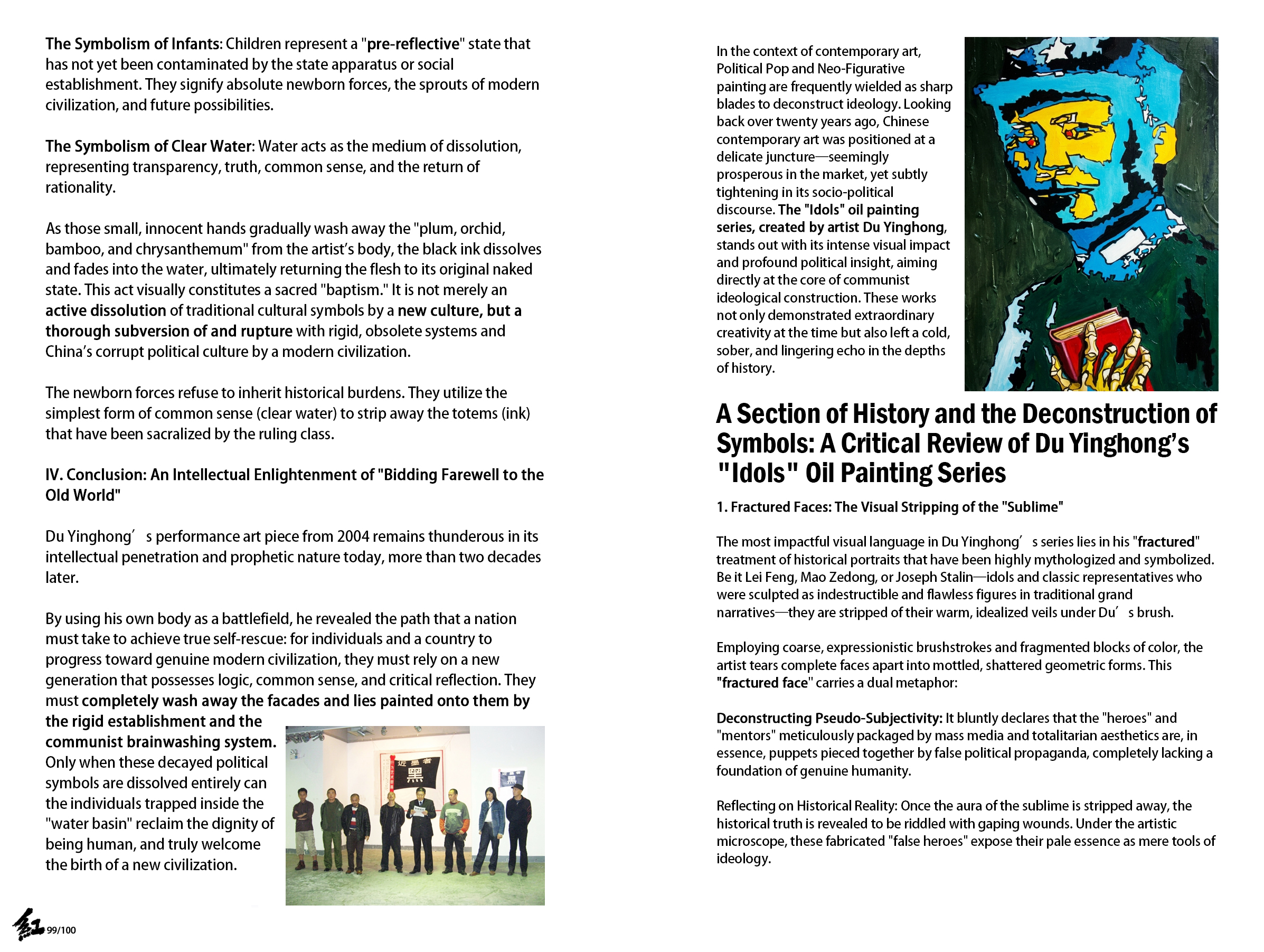 Similarly deconstructed is the “Red Book” clutched in the figures’ hands. The book is no longer a vehicle of truth; instead, it alienates into a closed, coercive symbol of a red regime. Through the alienation and displacement of color, Du Yinghong completely subverts the visual coding used to hypnotize the masses in totalitarian propaganda, forcing viewers to confront the logic of dictatorship and systemic evil hidden behind the “idols.”
The reason this batch of paintings, created years ago, retains such formidable vitality today is that the artist keenly captured the core operating code of totalitarian systems—idol worship and the monopolization of historical memory.
With his paintbrush, Du Yinghong staged a highly courageous campaign of “demystification.” In an environment accustomed to manufacturing myths and relying on them to maintain governance, daring to reduce these dictatorial tyrants and propaganda idols to fractured, fierce, and absurd images is in itself an act of political rebellion. These works do not stop at satirizing the surface phenomena of contemporary politics; rather, they strike at the very heart, directly deconstructing the aesthetic and spiritual pillars that legitimize the regime.
Du Yinghong’s “Idols” oil painting series represents a thunderous clap of rebellion in the history of Chinese contemporary art over twenty years ago. With highly forward-looking artistic language, he painted a cautionary and satirical portrait of the ideological factory of totalitarianism. Today, as history is continuously rewritten and memories are persistently obscured, these fractured faces and blood-red eyes remain like a row of mirrors, reflecting not only the absurdities of the past but also standing as an ongoing warning for the future.
评论
加载评论中…