Open Letter to the Secretary-General of the United Nations and Relevant United Nations Bodies 致联合国秘书长及联合国有关机构的公开信
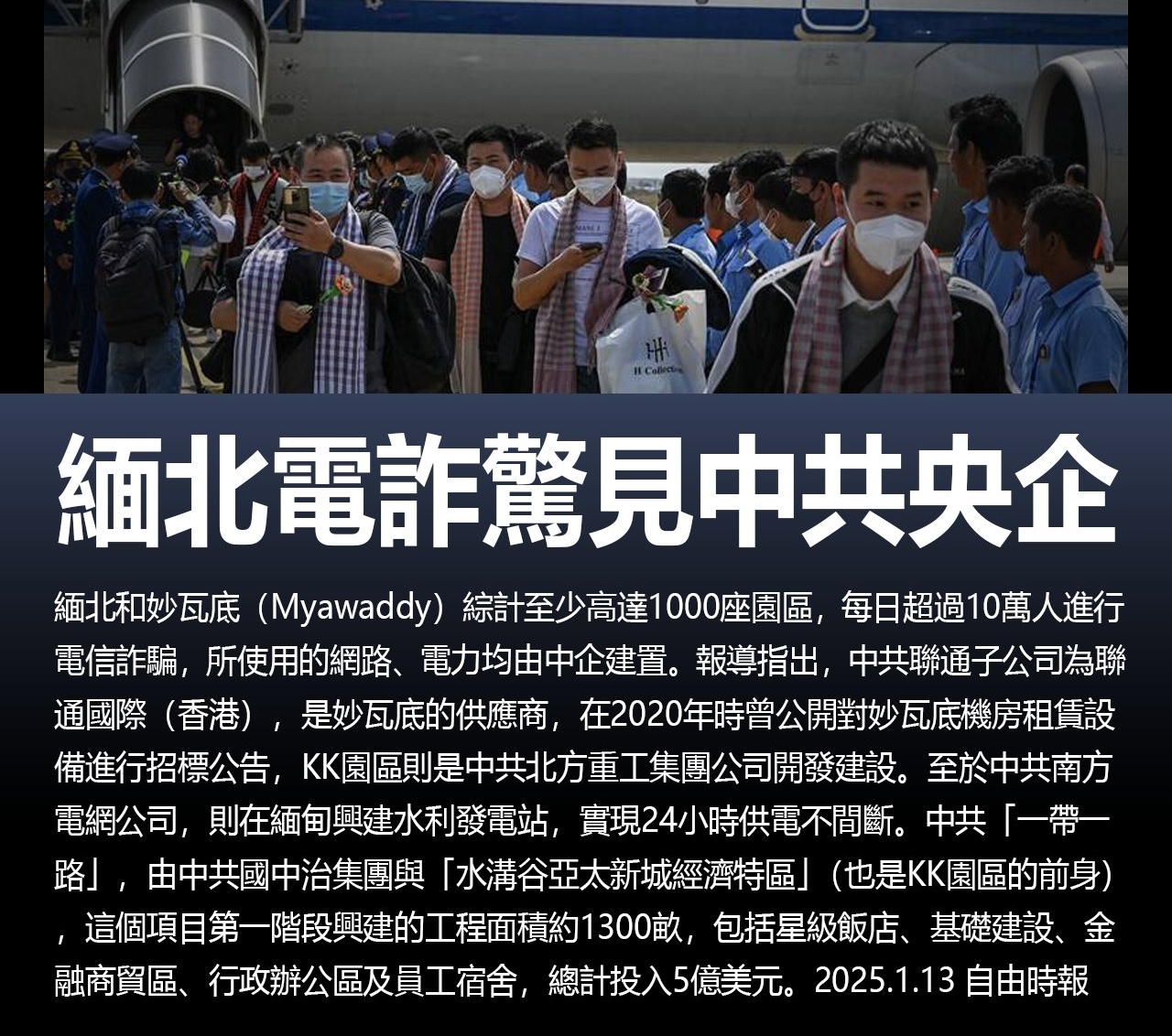
Request for the United Nations to Initiate Independent Verification and Accountability Mechanisms Regarding State Responsibility and Governance Failures in the Transnational Telecom and Cyber Scam Industry
Dear Secretary-General and Distinguished Officials,
On behalf of affected victims and individuals concerned with global anti-scam governance, I hereby formally address the United Nations regarding the systemic human rights crisis and governance failures arising from the industrial-scale transnational telecom and cyber scam industry, which is primarily based in Southeast Asia and dominated by organized criminal networks of Chinese origin.
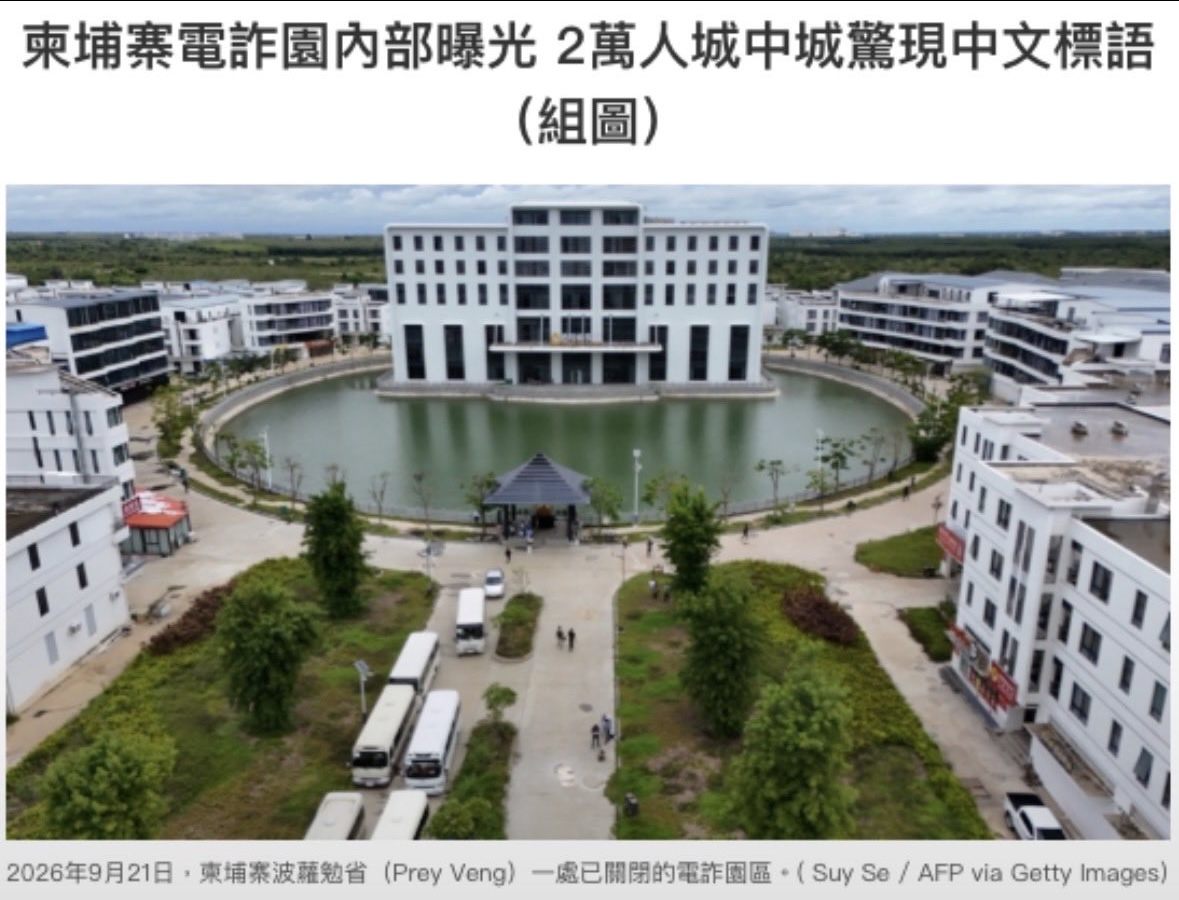
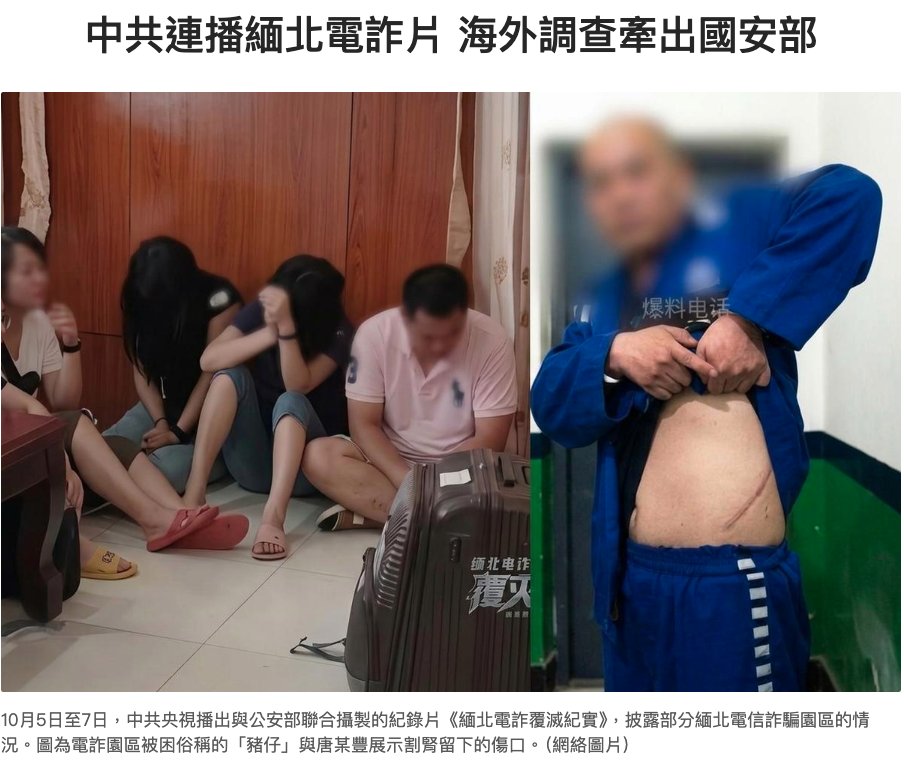 This industry has evolved far beyond ordinary criminal activity into a highly organized, industrialized, and armed transnational criminal enterprise. According to public reports by the United Nations Office on Drugs and Crime (UNODC) and the Office of the High Commissioner for Human Rights (OHCHR), major scam compounds are concentrated in Myanmar (including Kokang and Myawaddy border areas), Cambodia, and Laos (including the Golden Triangle Special Economic Zone). These operations are predominantly run by Chinese criminal networks and systematically involve human trafficking, forced labor, unlawful detention, torture, violent coercion, and cross-border money laundering. Victims include not only millions of individuals worldwide whose life savings have been stolen, but also hundreds of thousands of people who have been deceived, trafficked, and forced into criminality. OHCHR reports have documented severe abuses, including water prisons, electrocution, sexual violence, and public torture, characterizing the situation as a humanitarian and human rights crisis.
Even more critically, the industry has long relied on the protection or acquiescence of local armed groups, certain officials, and political-business elites. The locations, scale, and operating models of these compounds have been repeatedly exposed by international media, human rights organizations, and law enforcement bodies, yet they have not been comprehensively dismantled. While the Chinese government has conducted some cross-border crackdowns and repatriated large numbers of individuals, multiple independent reports indicate that enforcement has been markedly selective—more vigorous against networks targeting victims inside China, and less systematic against those that continue operating and shifting focus to global victims. The criminal networks have not been eradicated; they have merely relocated, reorganized, and expanded their targets.
Where jurisdiction, capabilities, and publicly available evidence exist, the prolonged failure of relevant states to effectively fulfill their obligations under the United Nations Convention against Transnational Organized Crime (UNTOC) and the Trafficking in Persons Protocol—regarding prevention, suppression, mutual legal assistance, victim protection, and asset recovery—constitutes a serious governance failure and a breach of international responsibility. The continued, visible existence of this criminal industry is itself powerful evidence of dereliction of duty.
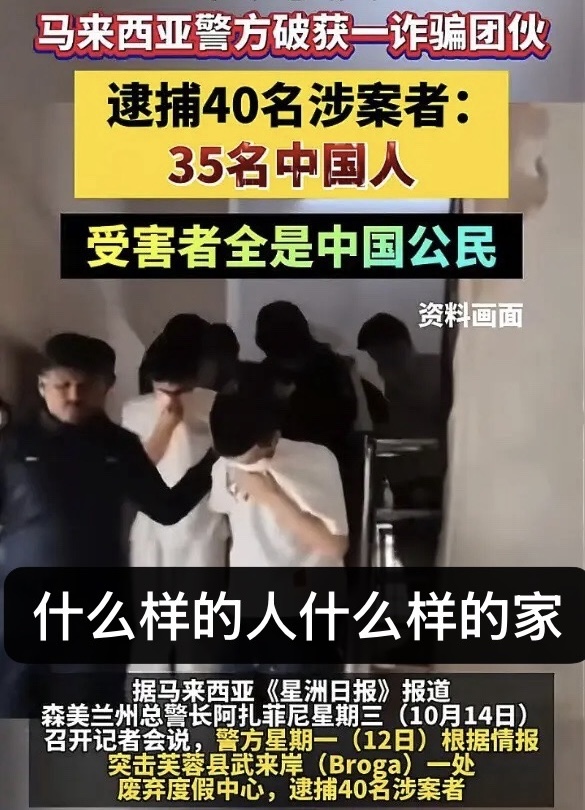 I therefore respectfully request that the United Nations exercise its coordinating and supervisory functions in the areas of transnational organized crime, human rights protection, and international cooperation, and take the following measures:
- Initiate an independent verification process
Conduct joint cross-border verification of the major compounds in Myanmar, Cambodia, Laos, and other locations, as well as the cross-border operations of Chinese-origin criminal networks. Map the criminal architectures, protection networks (including the roles of local armed groups, officials, and business elites), financial flows, and victim scale. Specifically examine whether any official or semi-official actors have provided protection, engaged in benefit transfer, or practiced selective enforcement. - Enforce state obligations and compel performance
Require relevant Member States (both origin countries of the criminal networks and host countries of the compounds) to fully discharge their international obligations and publicly disclose enforcement progress, repatriation and prosecution data, and asset recovery results. Initiate international compliance inquiries and public oversight regarding entities that have shown prolonged inaction, inadequate cooperation, or clear patterns of protection. - Prioritize protection for dual victims
Establish a dedicated protection and assistance mechanism for victims of transnational scams—both those who suffered financial losses and those forced into criminality. Strictly apply the non-punishment principle to prevent secondary victimization of forced laborers, and advance the recovery and return of illicit proceeds. - Establish transparent accountability and feedback mechanisms
For major cases supported by substantial evidence, require relevant states to periodically disclose the progress and outcomes of their actions, in order to eliminate buck-passing and selective enforcement.
I solemnly declare that this letter does not presume the guilt of any actor as a whole. It merely requests that the United Nations, on the basis of existing public reports and victim evidence, launch a fair, transparent, and verifiable independent inquiry. Those found to have fulfilled their duties in accordance with the law should be objectively recognized; those found to have engaged in dereliction of duty, malfeasance, protection of criminal enterprises, or related benefit conflicts must be held accountable under administrative, judicial, and international standards.
While the United Nations cannot replace national law enforcement systems, as the core institution of global human rights and the rule of law, it has a responsibility to help move an unprecedented transnational crime and governance failure from a state of “no real accountability” to one that is verifiable, accountable, and subject to remedy.
I respectfully request that the Office of the Secretary-General and relevant bodies promptly acknowledge receipt of this letter, identify the competent receiving body and subsequent feedback channels, and take appropriate action in accordance with their mandates.
Yours sincerely,
Complainant: Peace Network Committee
Date: 19 October 2026
致联合国秘书长及联合国有关机构的公开信 中文版
请求联合国就跨国电信网络诈骗产业中的国家责任与治理失灵问题启动独立核查与追责机制
尊敬的秘书长及各位负责人:
本人代表相关受害者及关注全球反诈治理的人士,正式致函联合国,就当前以东南亚为主要基地、以中国籍有组织犯罪集团为主导的跨国电信网络诈骗产业所造成的系统性人权危机与治理失败,提出紧急呼吁。
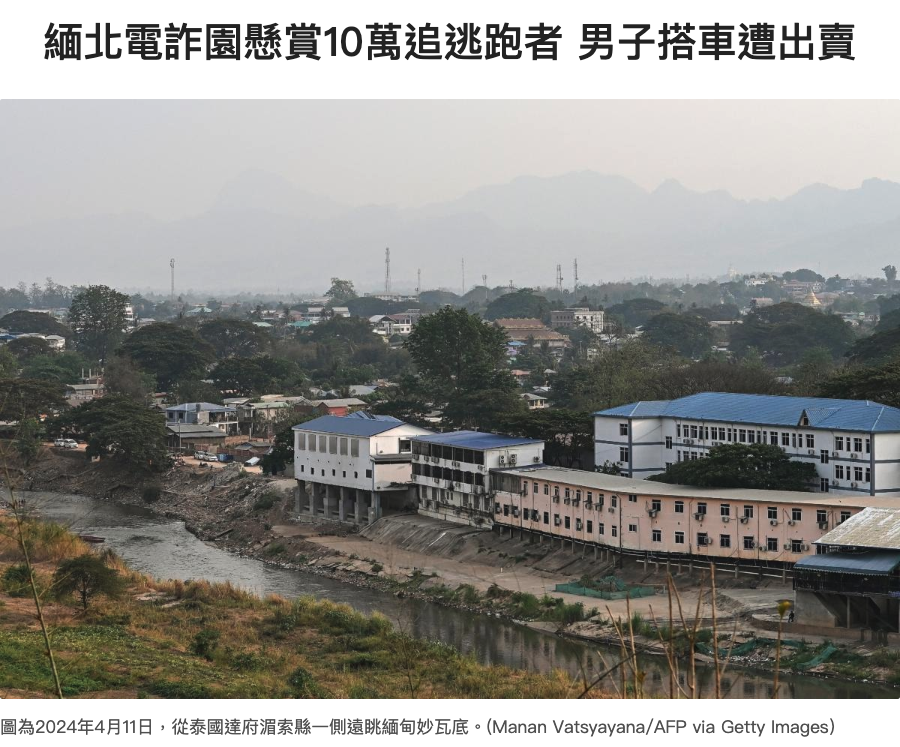
该产业已远超普通刑事犯罪范畴,演变为高度组织化、产业化、武装化的跨国犯罪体系。根据联合国毒品和犯罪问题办公室(UNODC)及人权事务高级专员办事处(OHCHR)的公开报告,相关诈骗园区主要集中在缅甸(果敢、妙瓦底等边境地区)、柬埔寨、老挝(金三角经济特区等)等地,大量由中国籍犯罪网络运营。这些园区普遍涉及人口贩运、强迫劳动、非法拘禁、酷刑虐待、暴力胁迫与跨境洗钱,受害者不仅包括全球数以亿计的财产被骗民众,更包括数十万被诱骗、贩运并被迫从事犯罪的劳工。OHCHR报告明确记录了水牢、电击、性暴力、公开酷刑等严重虐待事实,并指出该现象已构成人道主义与人权危机。
更严重的是,该产业长期依赖地方武装、部分官员、政治商业精英的保护或纵容而存续。公开信息显示,相关犯罪集团与地方势力形成利益共生,园区位置、人员规模、运作模式早已被国际媒体、人权组织及部分执法机构反复曝光,却长期未能被彻底清除。中国政府虽已开展部分跨境打击行动并遣返大量人员,但多份独立报告指出其执法存在明显选择性——对针对中国境内受害者的网络打击力度较大,而对继续运营、转向全球受害者(包括西方国家)的网络则缺乏同等力度的系统性清除。犯罪网络并未被根除,而是不断迁徙、重组并扩大目标范围。
在权责明确、线索公开、危害持续的情况下,相关国家长期未能有效履行其在《联合国打击跨国有组织犯罪公约》及人口贩运议定书下的预防、打击、司法协助、受害者保护与追赃义务,已构成严重的治理失灵与国际责任缺失。公开可见的犯罪产业长期存续本身,就是最有力的失责证据。
 为此,恳请联合国行使其在跨国有组织犯罪、人权保护与国际合作领域的协调与监督职能,采取以下措施:
- 启动独立核查程序
针对缅甸、柬埔寨、老挝等主要园区所在地,以及中国籍犯罪网络的跨境运作,联合核查犯罪集团架构、保护伞网络(包括地方武装、官员及商业精英的角色)、资金链条与受害规模。重点核查是否存在官方或半官方主体的包庇、利益输送或选择性执法。 - 压实国家义务并倒逼履职
要求相关成员国(包括犯罪网络主要来源国与园区所在国)全面履行国际义务,公开执法进展、遣返与起诉数据、资产追缴情况。对长期消极履职、配合不力或存在明显保护行为的主体,启动国际层面的合规质询与公开监督。 - 优先保障双重受害者
建立跨国诈骗受害者(财产受害者与被迫从事犯罪的劳工)专项保护与救助机制,严格适用“非惩罚原则”,防止被迫犯罪者被二次伤害。推动赃款追缴与损失弥补。 - 建立透明追责与反馈机制
对证据充分的重大案件,要求相关国家定期公开处置进度与结果,杜绝推诿与选择性执法。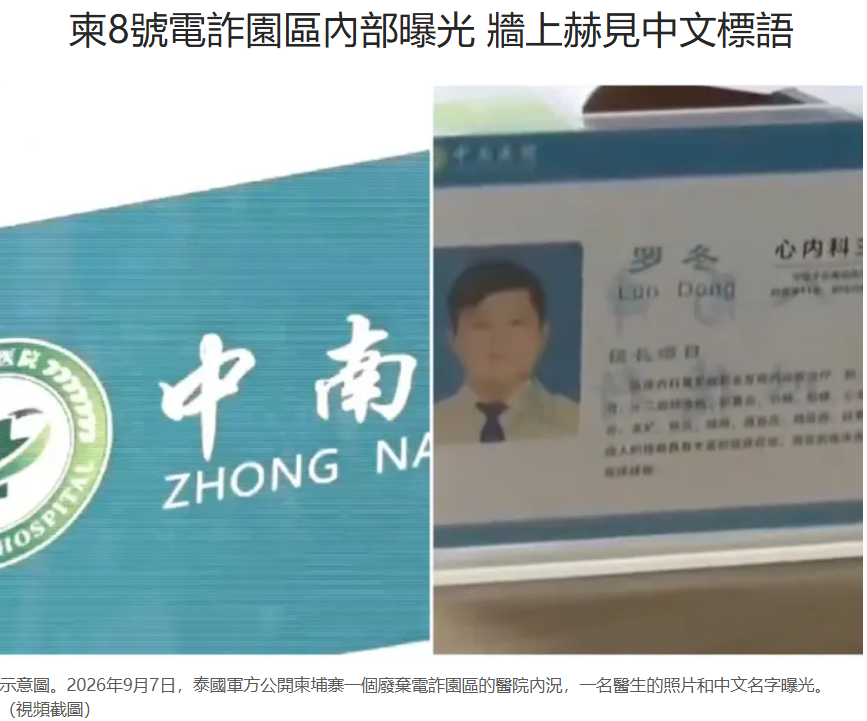 本委员会郑重声明:本函不预设任何主体整体有罪,仅要求联合国基于已有公开报告与受害者证据,启动公平、透明、可核验的独立调查。经核查后,已依法履职者应予客观认定;确有失职、渎职、包庇纵容或利益关联者,必须依法追究行政、司法及国际责任。
联合国虽不能替代各国执法,但作为全球人权与法治秩序的核心机构,有责任推动此类规模空前的跨国犯罪与治理失灵问题从“无人真正问责”走向可核查、可追责、可救济。
恳请联合国秘书长办公室及相关机构及时确认收悉,明确归口处理机构与后续反馈渠道,并依法介入。
此致
敬礼!
控诉人:和平网委员会
日期:2026年10月19日
评论
加载评论中…